Harness 概念的應用
MCP 與 Orchestra
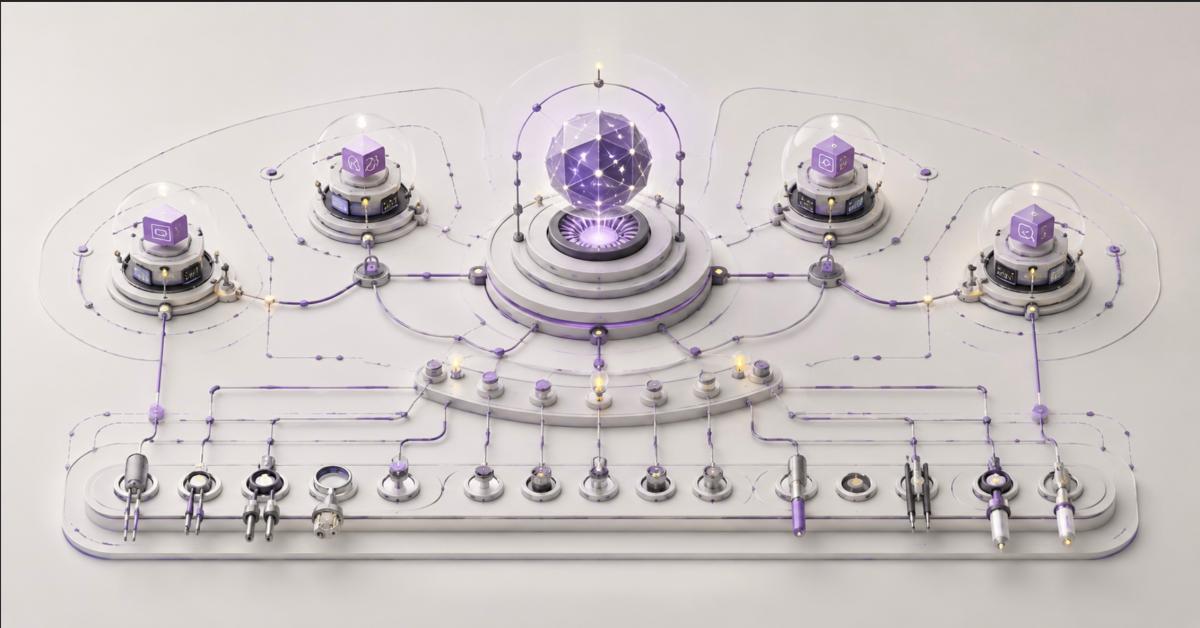
前篇討論了 Harness 的運作概念。今天要深入討論:當 harness 裡面不只有一個模型、不只有一個工具、不只有一個 agent 的時候,要怎麼調度(orchestrate)。
MCP:harness 的工具層
agent 怎麼跟外部溝通?
一個 agent 如果只能「回答問題」,它能做的事非常有限。真正有用的 agent 需要能讀檔、搜尋 repo、查資料庫、開 pull request、觸發 CI⋯⋯而每個任務都需要對應的工具。
問題是,若遇到一個新任務就要重新定義工具串接,整個系統會過度耦合。以專案維護的角度來說,換一個服務、換一個模型,就要改寫——想到就頭痛對吧?
定義一套標準介面,讓任何工具只要串接這個介面,agent 就能直接互動。
關於 MCP 的詳細解說,可以參考這篇文章。
Agent 不需要知道 GitHub API 怎麼運作。它只需要知道有一個工具叫 open_pull_request,其餘的由 MCP Server 處理。
這和之前提過的 subagent boundary 是相同邏輯——讓呼叫工具的過程更有指向性。
工具的存取權限在 harness 層管理,不是模型自己決定的。一個負責 UI 設計的 agent 可以 read_file、search_repo,但不能 delete_file、不能 deploy。我們必須人為地將界線畫好。
MCP 解決了「工具怎麼接」的問題。但工具接好了,還有另一個問題沒解決:誰來決定哪個 agent 用哪個工具、在什麼時間點出手?
Orchestra
想像一個沒有 PM 的開發團隊:每個工程師都很強,但沒有人統籌。任務交疊、方向各異,最後沒人知道現在的結果算不算完成。
如果只是單純把模型堆起來就是這種感覺:
├── Frontend Agent 負責 UI 設計與元件結構
├── Coding Agent 負責實作與測試
├── Reviewer Agent 負責 diff 審查與安全檢查
└── Cheap Worker 負責簡單的摘要與搜尋
Main Agent(PM)擁有任務的完整狀態,負責分派、整合、以及決策。Specialist agent 只執行自己被分配的任務內容,不能也不應該越界。
誰來決定誰做什麼?
PM 會知道各個開發人員的專長,並把相關任務指派給對應人員,負責「判斷」。Main Agent 也是,但這邊有兩層判斷。
第一層:harness 事前定義好的規則
- UI 相關任務 →Frontend Agent
- 程式實作 →Coding Agent
- 機敏變更 →最強的 Reviewer Model
- 簡單摘要 →最便宜的模型
大部分的情況這樣就夠了。
第二層:Main Agent reasoning
當任務不明確、需要跨邊界協作、遇到衝突時,main agent 會自己分析、拆解、然後執行「判斷」。
重點來了:main agent 不是選「最會寫程式的模型」,而是選「最會判斷、規劃、解決衝突的模型」。一個只擅長寫函式的模型,不見得能判斷這份實作是否符合產品目標、安全政策、或可維護性要求。Main agent 需要的是工程 lead 的能力,不是工程師的能力。
考量因素:
- 任務類型(UI、後端、基礎設施、文件、安全)
- 風險等級(改一個 variable name vs 改 auth 邏輯)
- 成本(這件事值得呼叫最強的模型嗎?)
- 工具需求(這個 agent 需要 Figma 存取權嗎?)
實際案例
用實際使用過的定義來做說明:
// 模型職責邊界定義
Claude 負責所有視覺判斷
Codex  負責所有整合判斷

Claude does not own API wiring.
Codex does not own visual design.
## Model Roles
### Claude Sonnet 4.6 — Visual/UI Lead
Claude owns:
- Design-system port from `Demo-kit.jsx` (Angular translation — NOT a JSX import)
- Component structure, spacing, typography, tokens, iconography
- Screenshot comparison against `Demo.html`
- UI polish for Home, Profile, Settings and empty states
- Template rewrite for admin pages
Claude does not own:
- API wiring
- Auth/session logic
- Role-source discovery
- Backend behavior
- Database/schema changes
- Endpoint invention
- Route guards or canActivate logic
### Codex / GPT-5.4 — Integration/Repo Lead
Codex owns:
- Routing and app shell integration
- Existing API wiring
- Existing auth/session preservation
- Existing role/permission source preservation
- Route guard verification for audit/admin routes (PR 5)
- Debugging, test running, diff review, and PR hygiene
- Handling mismatched data shapes by stopping and asking
Codex does not own:
- Reinterpreting the visual design
- Changing the design language
- Inventing new product IA
- Replacing source-of-truth components/tokens
- Writing Angular templates每個 subagent 執行自己的任務之後將結果回傳 Main Agent,由 Main Agent 整合、決定下一步。上面的案例因為過程需要確認樣式和 User Flow,所以就由 User(我)作為 Main Agent 的角色。
小結
設計一個每個 agent 知道自己的職責、每個工具有明確的邊界、harness 始終掌握控制權的系統。